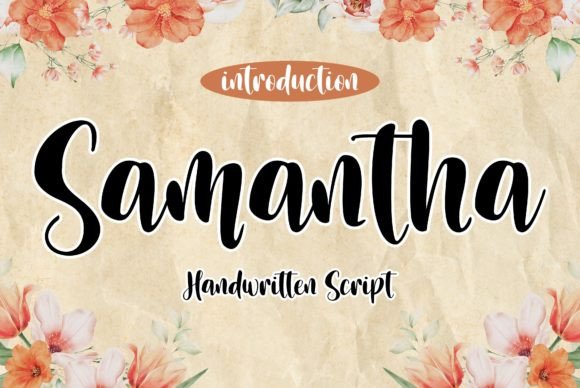
Samantha: The Handwritten Script Font for Elegant Branding
Every designer knows the search for that one typeface that instantly adds personality and sophistication. In a digital landscape saturated with generic fonts, finding a resource that feels both authentic and versatile can transform a project from ordinary to unforgettable. Enter Samantha, a beautifully crafted handwritten script font designed to bring a touch of elegance and human connection to your work.
The Art of Typography in Modern Design
Typography is more than just choosing letters; it’s a critical component of visual hierarchy and communication. The right font can convey emotion, establish tone, and guide the viewer’s eye. In the context of graphic design, a script font like Samantha serves a specific and powerful purpose. Its flowing, cursive character evokes feelings of craftsmanship, care, and luxury. This makes it an invaluable asset for projects where personal touch and premium quality are paramount.
Practical Applications for Creative Projects
The true strength of a font lies in its usability across various mediums. Samantha’s design is particularly effective for applications where aesthetics drive engagement. Consider its role in these key areas:
- Branding and Logo Design: For brands targeting a feminine, artisan, or high-end market, a script font can become the cornerstone of the visual identity. Samantha can be used to create logos, taglines, or monograms that feel bespoke and inviting.
- Print-on-Demand (POD) and Merchandise: On products like mugs, tote bags, or apparel, a handwritten script adds a personal, gift-like quality. It helps merchandise stand out in a crowded marketplace by enhancing perceived value.
- Wedding and Event Design: From invitations and save-the-dates to place cards and signage, Samantha excels in creating a romantic and cohesive theme for special occasions.
- Marketing and Social Media Graphics: In digital marketing, a font like Samantha can draw attention to key messages, quotes, or call-to-action buttons, making social media posts more eye-catching and shareable.
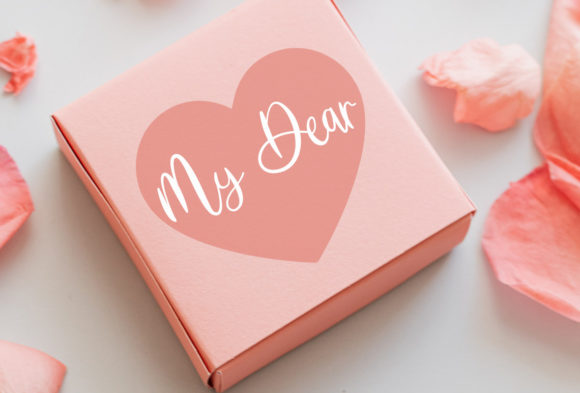
- Packaging Design: For product labels, especially in the beauty, food, or craft sectors, a script font communicates handmade quality and can significantly influence shelf appeal.
Integrating Script Fonts into Your Design Workflow
While a beautiful font is a powerful tool, its effectiveness depends on thoughtful application. To ensure readability and maintain a professional presentation, consider these practical tips:
- Prioritize Readability: Script fonts are best used for headlines, short phrases, or accent text, not for long body paragraphs. Ensure the letterforms are clear at the intended size, especially for web design and UI elements where quick comprehension is key.
- Establish Visual Hierarchy: Pair Samantha with a clean, sans-serif font for body text. This contrast creates a balanced and modern aesthetic, allowing the script to stand out without overwhelming the layout.
- Consider Context and Audience: A handwritten style may not suit every brand identity. Evaluate if the font’s character aligns with your target audience’s expectations and the project’s overall goals.
- Test Across Formats: Before finalizing, check how the font renders in different applications—on a website, in a PDF, or on a printed product. Scalability and color palette interactions are crucial for a polished result.
Thoughtful design is about making intentional choices that serve both form and function. Selecting a creative asset like the Samantha font is an investment in your project’s visual language. It demonstrates a commitment to quality and attention to detail, qualities that resonate with audiences and elevate the overall user experience. By leveraging such resources effectively, designers and creators can craft compelling narratives that are not only seen but felt, turning every project into a potential masterpiece.