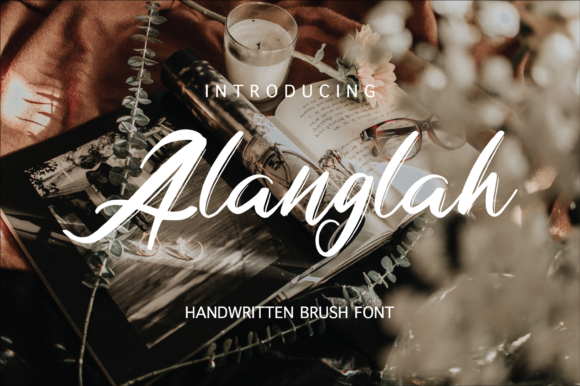
Alanglah: The Handwritten Font for Authentic Branding
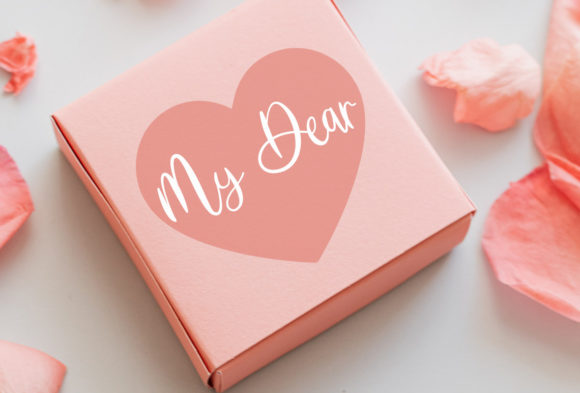
In a digital landscape saturated with sterile, geometric typefaces, finding a font that carries genuine human touch can be a game-changer for your visual design. Alanglah is a beautiful and brushed handwritten font, offering an elegant solution for designers seeking to inject personality, warmth, and authenticity into their creative projects. It is perfect for product packaging, branding projects, magazine covers, social media, weddings, or simply used to express words above the background, making it a versatile asset in any modern design workflow.
The Role of Authentic Typography in Modern Design
Typography is the voice of your design. While sans-serifs provide clarity and serifs offer tradition, a brushed script like Alanglah provides emotion. In the context of visual hierarchy, using this font allows you to draw the viewer's eye to specific focal points, such as a headline or a call-to-action, without relying on bold colors or excessive sizing. It bridges the gap between professional presentation and personal connection, a critical balance in today's UX design and digital marketing strategies.
When selecting creative assets for a project, the "feel" of the typeface must align with the brand identity. Alanglah excels in scenarios where the goal is to communicate elegance, organic quality, or a bespoke aesthetic. Its brushed texture mimics the fluidity of real ink, adding a layer of tactile depth to flat digital screens.
Practical Applications for Alanglah
Understanding where to deploy a handwritten font is just as important as the font itself. Because of its legibility and stylistic flow, Alanglah is highly effective across various mediums:
- Branding and Logo Design: Ideal for boutique brands, lifestyle blogs, and artisanal businesses looking to establish a memorable visual identity.
- Packaging Design: Creates an immediate "handmade" or "premium" feel on product labels, particularly in the beauty, food, and fashion industries.
- Social Media Graphics: Stops the scroll on platforms like Instagram and Pinterest. It adds a personal touch to quotes, announcements, and stories.
- Editorial Design: Serves as a striking contrast to clean body copy in magazine covers or blog post headers, enhancing the visual hierarchy.
- Web and UI Design: When used sparingly, it can soften the hard edges of a web design layout, perfect for hero sections or promotional banners.
- Event Stationery: Its romantic aesthetic makes it a top choice for wedding invitations, save-the-dates, and event signage.
Integrating Script Fonts into Your Design Workflow
While a font like Alanglah brings significant visual impact, successful graphic design relies on context and restraint. Here are actionable tips for evaluating and using brushed script fonts effectively:
- Prioritize Readability: Handwritten fonts are best suited for display text (headings, logos, short phrases). Avoid using them for long paragraphs of body copy, as this can strain the reader's eyes and disrupt the user experience.
- Manage Visual Hierarchy: Pair Alanglah with a clean, neutral sans-serif font. This contrast ensures that the script stands out as the accent element while the secondary font provides structure and readability.
- Check Scalability: Test the font at various sizes. A great script font should remain legible whether it is displayed on a massive billboard or a small mobile screen.
- Color and Composition: Brushed textures often look best with high contrast. Ensure your color palette allows the font to breathe; avoid placing complex scripts over busy backgrounds without a solid overlay or drop shadow.
Elevating Creative Projects
The difference between an amateur design and a professional presentation often lies in the details of the typography. By incorporating a high-quality asset like Alanglah, you are not just choosing a letterform; you are selecting a specific tone of voice for your brand. Whether you are designing for print design or digital platforms, the right script font can transform a static layout into a dynamic visual narrative.
Ultimately, effective visual communication requires a toolkit that offers both versatility and character. Thoughtful design choices—such as selecting a brushed font that complements your imagery—ensure that your message is not only seen but felt. As you refine your next branding project or marketing campaign, consider how the human element of typography can enhance your connection with your audience.