Laser Cut Box with 6 Compartments: A Designer's Organizational Essential
In the world of graphic design, where precision and presentation are paramount, the tools we use to organize our creative process are as crucial as the final output. The Laser Cut Box with 6 Compartments emerges as more than just a storage solution; it's a testament to functional design that aligns perfectly with a designer's need for order, aesthetic appeal, and tangible creativity.
More Than Storage: A Component of Visual Communication
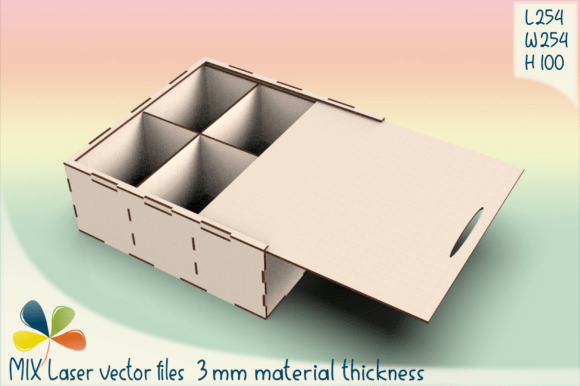
This sturdy, square sliding-lid box, featuring six roomy compartments, transcends its physical form. For a designer, it becomes a microcosm of a well-structured brand identity system. Each compartment can represent a different element of a project—color swatches, typography samples, material tests, or client feedback cards. This physical organization mirrors the mental organization required for effective visual hierarchy and cohesive branding. Its clean lines and modern aesthetics make it a natural fit for a studio environment, reinforcing a professional presentation even in the background of a client meeting or a social media showcase of your workspace.
Practical Applications in the Creative Workflow
The utility of a multi-compartment box extends directly into numerous aspects of design work. Consider its role in packaging design prototyping, where each compartment can hold a different prototype or material sample. For graphic design and print design projects, it's an ideal way to organize physical proofs, ink samples, or specialty paper stocks. Its design is a lesson in itself, showcasing how laser-cut precision creates seamless functionality—a principle directly applicable to creating flawless vector graphics or intricate logo design elements.
- Branding & Identity Work: Store physical mood board components, fabric swatches, or logo sketches in a curated, accessible manner.
- Client Presentations: Use it to elegantly present product samples, material options, or small merchandise, enhancing the tactile experience of your brand identity pitch.
- Studio Organization: Corral small tools like X-Acto blades, burnishing tools, pen nibs, or USB drives, keeping your creative space clutter-free and inspiring.
- Merchandise & Product Design: The box itself can be a finished product for artists and creators, perfect for packaging jewelry, art prints, or curated gift sets.
Designing with Intention: Selecting and Using Your Assets
Choosing to integrate an asset like this laser-cut box into your workflow is an exercise in intentional design. Its value lies in its consistency and scalability—the same reliable structure can be used for personal organization or as part of a scalable product line. When evaluating any creative asset, consider its compatibility with your existing systems. Does its material thickness (3 mm) and finish complement your studio's color palette and materials? Its visual design should support, not distract from, your core work.
Think of it through the lens of UX design: the sliding lid provides intuitive, easy access, improving the user experience of finding what you need. The clear compartmentalization reduces cognitive load, much like a well-designed UI simplifies navigation. This principle of functional elegance should inform everything from web design layouts to social media graphics, where clarity and ease of use are key to user engagement.
Elevating Tangible and Digital Projects
While we operate in a digital realm, the power of tactile experience remains unmatched. This box bridges that gap. For digital marketing campaigns, a beautifully organized box of physical samples can be photographed for compelling content, adding a layer of authenticity and craftsmanship to your editorial design or online portfolio. For advertising campaigns that involve direct mail or promotional kits, it offers a premium, memorable unboxing experience that strengthens brand perception.
Ultimately, investing in thoughtful, high-quality tools like the Laser Cut Box with 6 Compartments is an investment in your creative discipline. It encourages a methodical approach to design, where every element has its place, both mentally and physically. This practice of curation and organization directly translates to cleaner compositions, stronger visual communication, and more impactful creative projects. In a field driven by detail, having a reliable, elegant system for managing those details is not a luxury—it's a fundamental component of professional excellence.