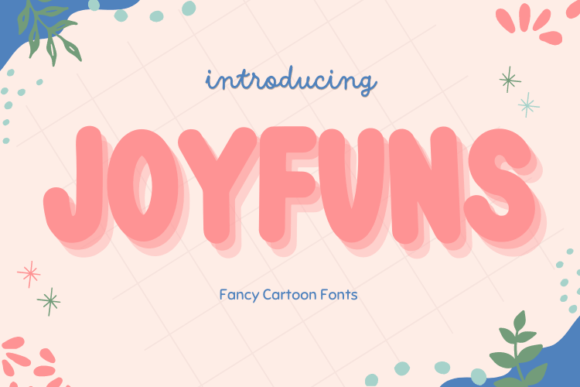
Joyfuns: A Playful Font for Modern Design
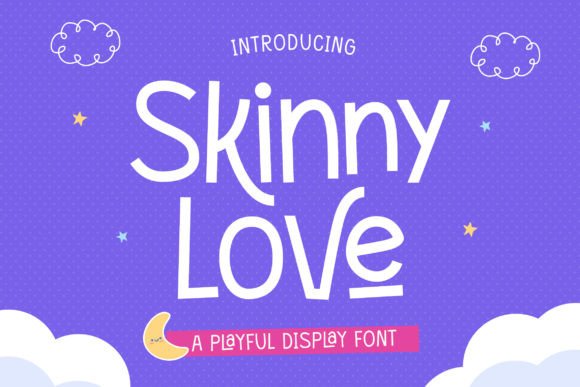
Every great design tells a story, and the typeface you choose is the voice that tells it. When a project calls for energy, approachability, and a touch of whimsy, the right font can transform a simple layout into a memorable experience. This is precisely where a typeface like Joyfuns shines. As a fun and playful display font, its style will make it great for various creative projects, be it inspirational digital posters or for communicating your brand. It’s a creative asset built to inject personality and visual delight into your work.
Understanding the Role of Playful Typography in Branding
In the crowded landscape of graphic design and branding, distinctiveness is key. A playful font like Joyfuns serves as a powerful tool for differentiation. It moves beyond mere text to become a core component of visual identity. The rounded forms and lively character of such a typeface communicate friendliness, creativity, and innovation. This makes it an excellent choice for brands in sectors like children's education, artisanal food, lifestyle blogs, tech startups, or any business aiming to project a modern, approachable, and optimistic image.
Integrating a display font into your brand identity requires thoughtful application. It's rarely suited for long body copy but excels in headlines, logos, and call-to-action elements. When paired with a clean, neutral sans-serif for body text, Joyfuns can establish a compelling visual hierarchy, guiding the viewer's eye and emphasizing key messages without sacrificing overall readability.
Practical Applications for Creative Projects
The versatility of a well-designed playful font extends across numerous design disciplines. Its inherent energy can elevate a wide range of materials, ensuring your visual communication is both effective and engaging.
- Brand & Logo Design: Create a distinctive logomark or wordmark that feels unique and approachable. It sets a foundational tone for all other brand collateral.
- Marketing & Advertising: Ideal for social media graphics, email headers, banner ads, and campaign posters. It captures attention quickly in fast-scrolling environments.
- Digital & UI Design: Use it for app splash screens, onboarding illustrations, website hero sections, or button labels to add a human, friendly touch to user interfaces.
- Editorial & Packaging: Perfect for magazine headlines, book titles, product packaging, and labels where you need to stand out on a shelf or a page.
- Presentation & Merchandise: Bring life to slide decks and create appealing designs for T-shirts, mugs, and other merchandise that people will love to wear and use.
Integrating Joyfuns into Your Design Workflow
Successfully using a display font involves more than just installation. First, consider your audience and design goals. Does the playful aesthetic align with the project's message and the viewer's expectations? A financial report might call for restraint, while a children's event invitation is the perfect playground for such a font.
Evaluate its technical qualities. Check the font's readability at various sizes, especially for digital use on screens. Ensure it includes the necessary glyphs and language support for your project. A robust font family with multiple weights offers greater flexibility for creating visual hierarchy and maintaining consistency across different applications.
When composing your layout, pay attention to spacing and kerning. Playful fonts often benefit from slightly looser letter-spacing to maintain clarity and prevent a cramped appearance. Always pair it wisely with complementary typefaces and a harmonious color palette to build a cohesive and professional presentation.
Ultimately, the tools you select define the quality of your output. Choosing a typeface with character and clarity, like a fun and playful display font, is an investment in your project's visual impact. It empowers you to communicate with emotion, strengthen brand recall, and create designs that truly resonate. In the realm of visual design, thoughtful typography is not just an aesthetic choice—it's a fundamental pillar of effective communication.