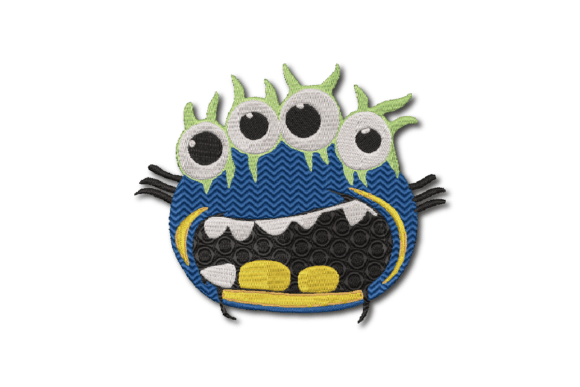
Cute Monster: A Whimsical Asset for Modern Design
Imagine a design element that instantly captures attention, evokes a smile, and injects a dose of playful personality into any project. This is the power of a well-executed Cute Monster motif. In the competitive landscape of modern graphic design, where visual communication must be both memorable and emotionally resonant, such a distinctive character can become a cornerstone of a vibrant brand identity or a standout creative asset.
Understanding the Visual Appeal
From a professional graphic design perspective, the Cute Monster concept is more than just a charming illustration; it's a strategic visual tool. Its effectiveness lies in its ability to balance whimsy with clarity, making it incredibly versatile. The inherent friendliness of the design lowers barriers to engagement, while its unique form ensures high recall. This makes it particularly valuable in fields like branding, UI design, and social media graphics, where establishing a quick, positive connection is paramount.
Practical Applications Across Creative Projects
The utility of this design style extends across numerous domains, enhancing both digital and physical outputs. Consider its role in:
- Brand Identity & Logo Design: A Cute Monster character can serve as a memorable mascot or logomark, especially for brands targeting families, children, or any audience that values approachability and fun. It helps build a brand identity that feels human and relatable.
- Digital Marketing & Social Media: In crowded feeds, these designs excel at boosting user engagement. They are perfect for animated stories, eye-catching ad banners, and shareable content that aligns with current design trends favoring illustration and custom graphics.
- Packaging & Merchandise Design: Applying this motif to packaging design can create shelf appeal and transform a product into a delightful experience. It also translates seamlessly onto merchandise like apparel and stationery, creating tangible brand extensions.
- Editorial & Web Layouts: As a recurring visual element in editorial design or web design, it can guide the reader's eye, break up text-heavy sections, and contribute to a cohesive visual hierarchy throughout a publication or site.
Integrating the Asset into Your Design Workflow
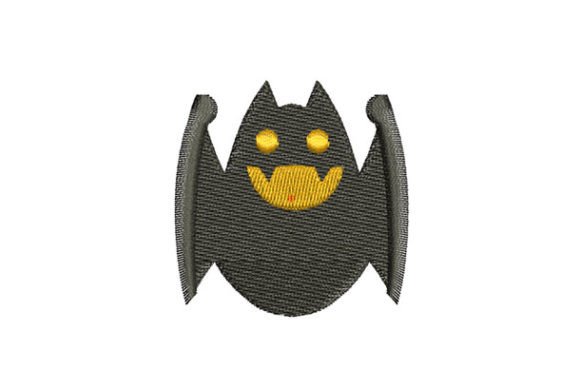
To maximize the impact of such a creative asset, thoughtful integration is key. First, ensure the style aligns with your project's color palette and overall visual design language. Consistency in style strengthens brand identity. When using files, like a machine embroidery design, always test on a sample material first to verify the output, as modifications can affect the final result. This principle applies broadly: always check for compatibility and scalability within your design workflow.
Evaluate the asset's readability at various sizes, from a tiny favicon to a large poster. Its forms should remain clear and impactful. Consider the audience expectations; while universally appealing, ensure the "cute" factor aligns with the message's required tone—be it for a children's app or a playful tech startup.
Enhancing Communication with Thoughtful Aesthetics
Ultimately, the choice to incorporate a Cute Monster element is a decision about visual storytelling. It leverages modern aesthetics and creative assets to build an emotional bridge. When paired with complementary typography and a balanced composition, it doesn't just decorate—it communicates. It can soften complex information, make a brand more approachable, and create a joyful user experience.
In the realm of professional presentation, such a character demonstrates confidence and creativity. It shows a willingness to engage the audience on a human level. By selecting high-quality, versatile design elements and applying them with strategic intent, designers and creators can significantly elevate their work, ensuring it is not only seen but felt and remembered.